
Verified event record
Use Ontario and City sources for rainfall, affected waterways, response and assistance.

Case study
A verified-facts-first analysis of a major Ontario flooding event, with clear separation between reported information, interpretation and unanswered questions.
Who this serves
Independent education, resource organization, research translation and pathways to official information.
Government eligibility, insurance coverage, legal requirements, engineering decisions and emergency direction.
Current-event and programme pages must be rechecked when dates, maps or rules change.
Resource design
Use Ontario and City sources for rainfall, affected waterways, response and assistance.
Creek overflow, overland flow and basement flooding require distinct investigation.
Residents need clear sequencing across City, insurer and province.
Preparedness, documentation and maintenance matter before the next forecast.
Purpose
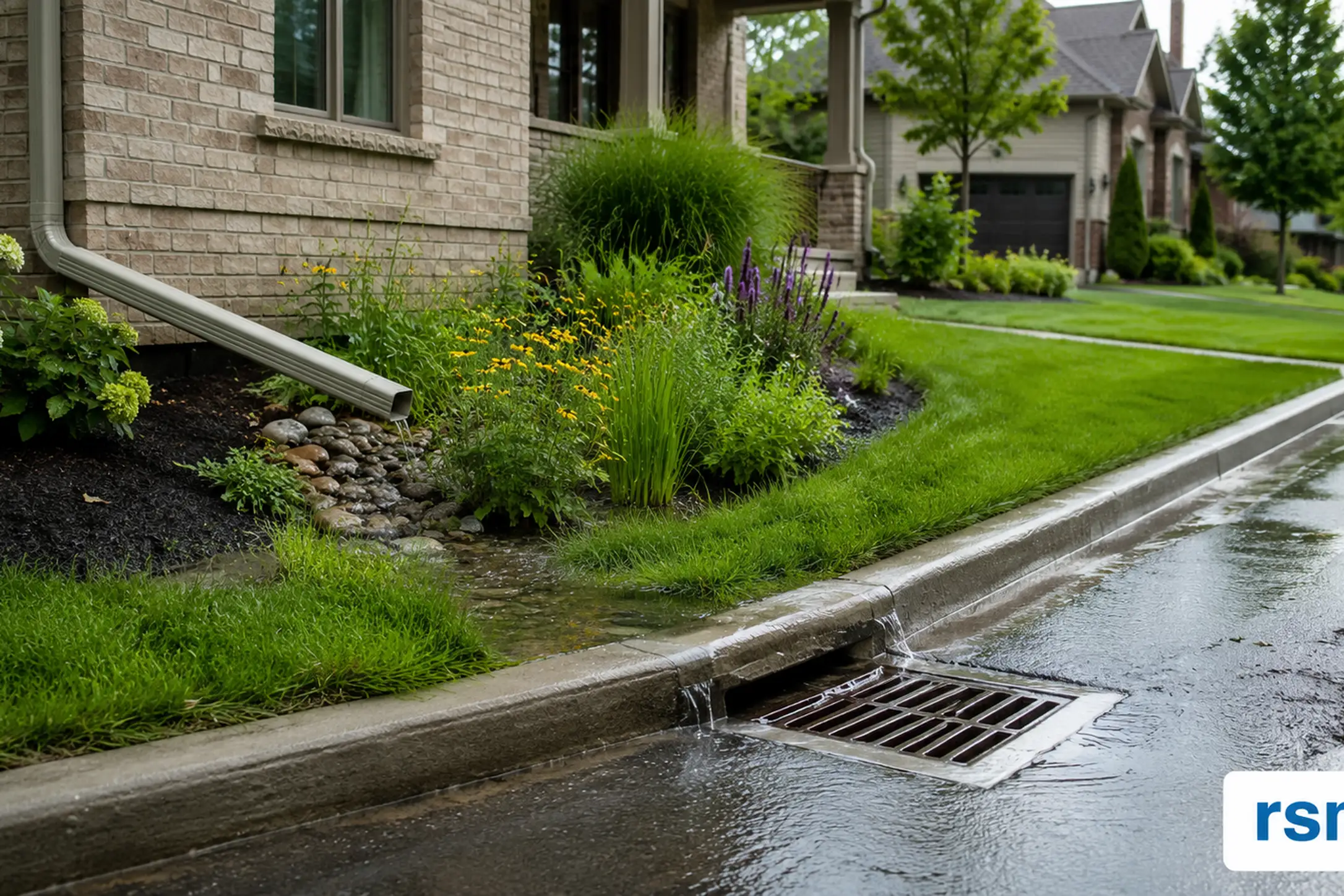
Ontario reports that more than 150 millimetres of rain fell in parts of Ottawa on July 1, 2026. Graham Creek and Stillwater Creek overflowed, causing overland flooding and damage to homes. The City created dedicated current-situation, basement-flooding, cleanup and support pages.

Evidence and context
A regional rainfall total does not establish the cause at every building. A flooded basement may involve creek overflow, surface entry, sewer surcharge, groundwater, foundation drainage, power loss or interacting pathways. Site-specific conclusions require evidence.
Responsible use
A resilience system needs warnings, household or facility roles, safe access, maintained pumps and alarms, records, insurance literacy and a recovery checklist. Public communication should distinguish municipal reporting, insurer claims, DRAO activation and ongoing prevention rebates so residents do not miss deadlines or misunderstand eligibility.

Use sequence
Preserve official event sources.
Separate event facts from property diagnosis.
Map response and recovery responsibilities.
Identify capability and communication gaps.
Update education, maintenance and preparedness.
Avoid these mistakes

Related pathways
Official and institutional references
RSM explains and organizes information. Current government, municipal, insurance, research and programme sources remain controlling within their scope.
Frequently asked questions
No. Official reporting describes creek and overland flooding, but individual property pathways can differ.
No. It is educational and does not provide engineering, legal or insurance conclusions.
Recovery communications and assistance are part of resilience capability, but eligibility remains with Ontario.
Time-sensitive recovery links should be reviewed during the open period, while the case study can later be archived as historical learning.
Put knowledge into action
Use RSM to understand the field, then confirm the current authority and qualified role for the decision in front of you.
Published: July 19, 2026 Last reviewed: July 19, 2026
RSM is an independent educational platform. It does not administer DRAO, determine insurance coverage, guarantee funding or replace emergency, municipal, legal, engineering or professional advice.
Next steps
Continue by resource type, location or the responsibility you hold.