
Use plain language
Explain pathways, purpose and limits before presenting work.
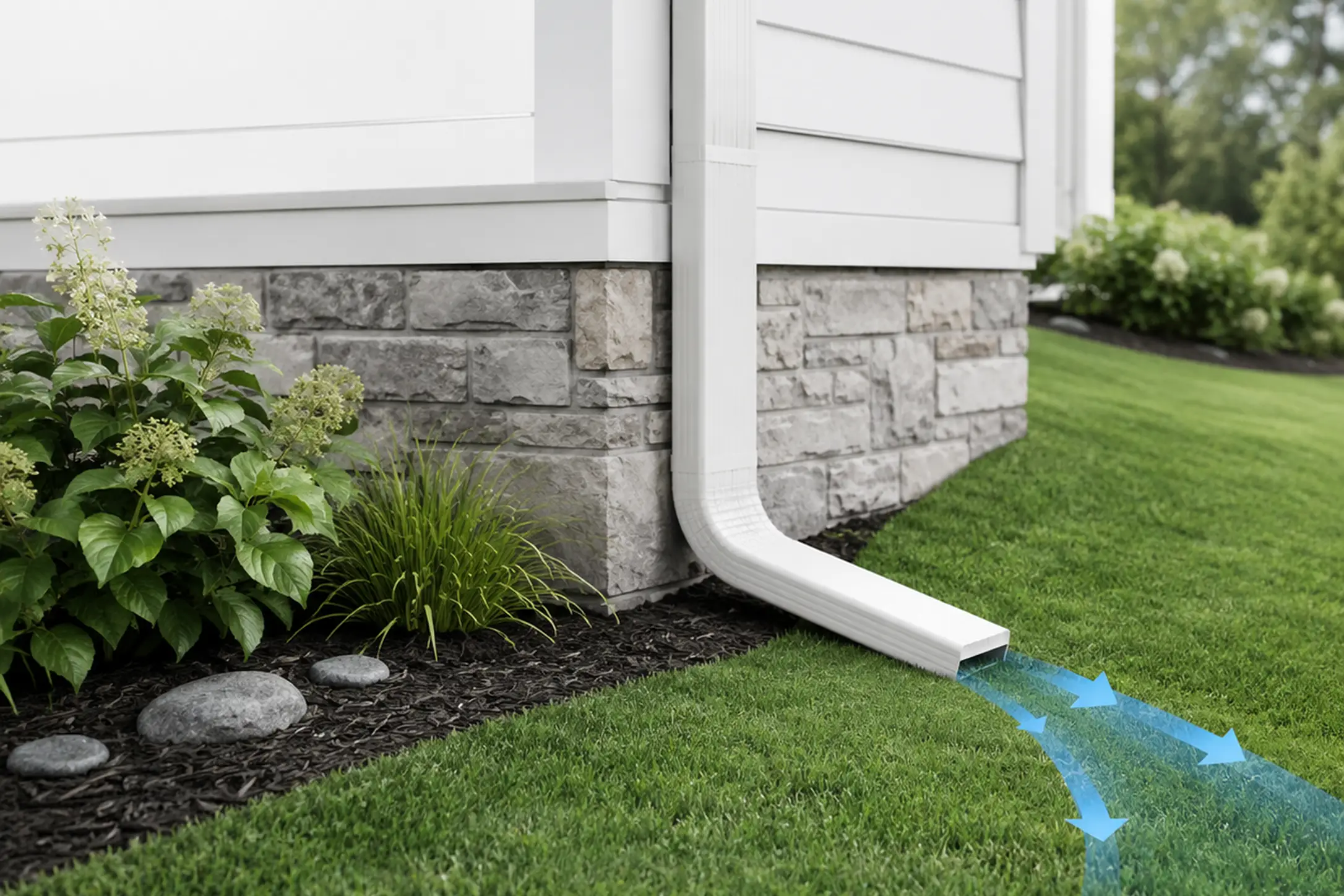
Residential application
Residential guidance must be technically responsible, understandable to owners and connected to local requirements.
Who this is for
Independent education and standards-informed practice guidance.
Law, code, municipal rules, permits, manufacturer instructions and qualified professional decisions remain controlling.
Owners, designers, contractors, inspectors and authorities retain assigned duties.
Core principles
Explain pathways, purpose and limits before presenting work.
Permits, inspections, sewer arrangements and rebates vary.
Provide options, limitations, costs, maintenance and residual risk.
Owners need access, labels, test instructions and close-out records.
Practice detail
Ask about prior events, insurance, renovation, fixtures, sump operation, outages and maintenance. Explain sewer backup, groundwater and overland flow. Avoid diagnosing hidden conditions without evidence.

Practice detail
Rebates can fund eligible measures but do not prove suitability. Confirm official programme terms, pre-approval, permits, contractor requirements and inspection timing.

Practice detail
Show owners valves, pits, alarms, panels, barriers and records. Demonstrate safe routine checks and warning signs. Encourage annual review and updates after storms, renovation, purchase or occupancy change.
Working sequence
Understand pathway and history.
Check requirements.
Select layered measures.
Verify and hand over.
Maintain and review.
Avoidable failures
Related pathways
Official and institutional references
RSM summarizes concepts for education. Use current official documents, local authorities and qualified professionals for project decisions.
Frequently asked questions
Ontario projects follow the applicable Ontario Building Code and local authority.
Yes. Funding eligibility and technical suitability are separate.
Scope, approvals, product data, evidence, limitations, maintenance and warranty information.
Separate observations, recommendations, owner decisions and further investigation.
Standards-informed practice
Connect knowledge with competent roles, approvals, records, inspection, maintenance and transparent communication.
Published: July 19, 2026 Last reviewed: July 19, 2026
RSM provides independent educational and standards-informed guidance. Confirm current legal, code, municipal, professional, product and project requirements with the appropriate authority and qualified people.
Next steps
Move from a single topic to the wider guidance, evidence and feedback process.