
Hydraulic Duty And Storage Time
A pump nameplate does not describe reliability. Pits, duplex or triplex pumps, controls, floats, sensors, valves, power, communications and discharge arrangements must be evaluated together.
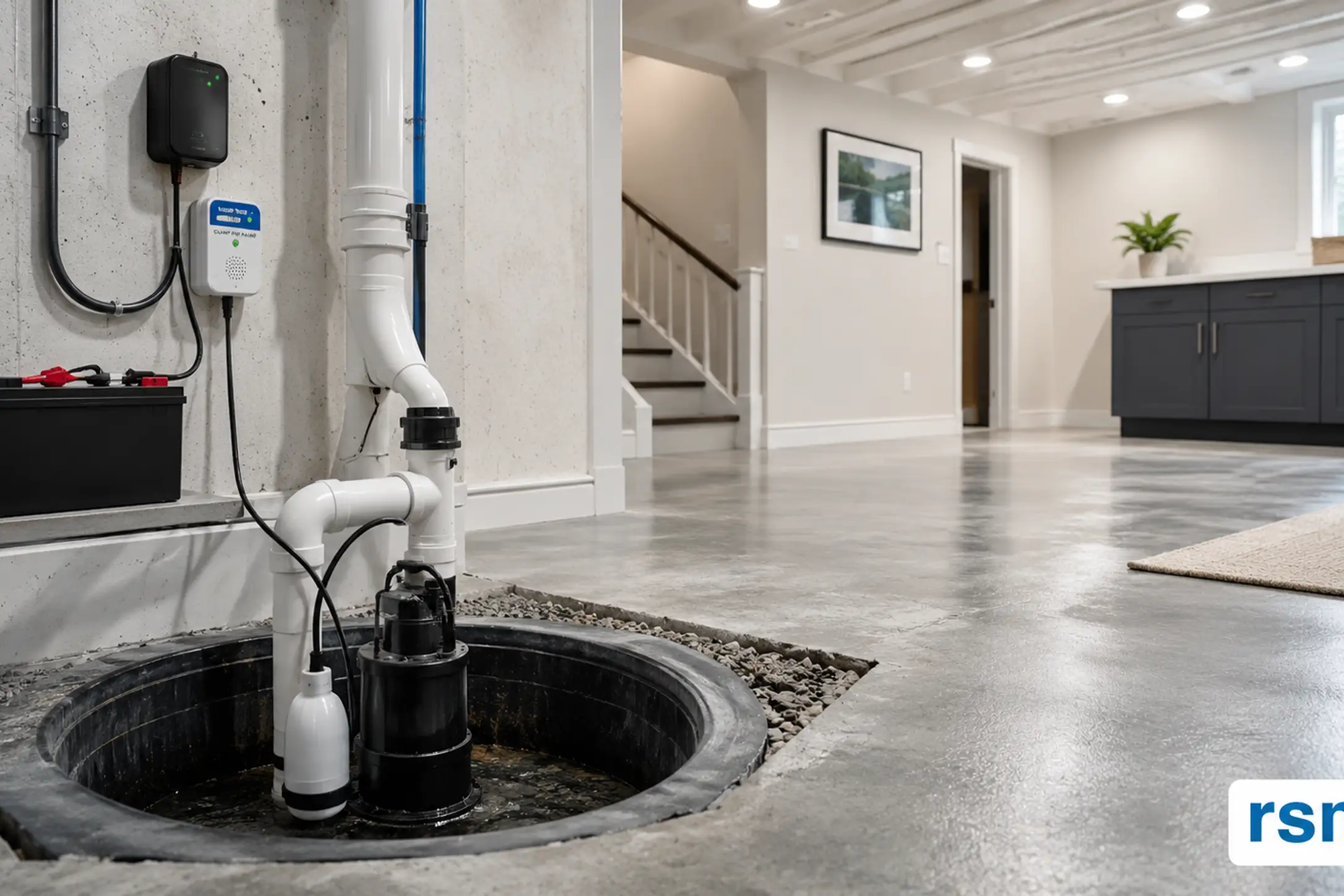
Commercial & institutional resilience
Review commercial sump pumps, lift stations, pits, controls, redundancy, backup power, discharge and maintenance as one system.
The practical answer
A pump nameplate does not describe reliability. Pits, duplex or triplex pumps, controls, floats, sensors, valves, power, communications and discharge arrangements must be evaluated together.
System view
Each area needs a defined purpose, owner, evidence trail and review cycle.
A pump nameplate does not describe reliability. Pits, duplex or triplex pumps, controls, floats, sensors, valves, power, communications and discharge arrangements must be evaluated together.
A pump nameplate does not describe reliability. Pits, duplex or triplex pumps, controls, floats, sensors, valves, power, communications and discharge arrangements must be evaluated together.
A pump nameplate does not describe reliability. Pits, duplex or triplex pumps, controls, floats, sensors, valves, power, communications and discharge arrangements must be evaluated together.
A pump nameplate does not describe reliability. Pits, duplex or triplex pumps, controls, floats, sensors, valves, power, communications and discharge arrangements must be evaluated together.
Guidance 1
A pump nameplate does not describe reliability. Pits, duplex or triplex pumps, controls, floats, sensors, valves, power, communications and discharge arrangements must be evaluated together.
For this topic, the organization should document every component and setpoint. The decision should be recorded with the responsible owner, evidence used, limitations, review date and any need for qualified technical, legal, insurance or municipal advice.
Commercial resilience depends on connected decisions. Building systems, site drainage, occupancy, maintenance, emergency response, continuity and capital planning should not be evaluated as isolated programmes.
Guidance 2
A pump nameplate does not describe reliability. Pits, duplex or triplex pumps, controls, floats, sensors, valves, power, communications and discharge arrangements must be evaluated together.
For this topic, the organization should confirm service consequence and acceptable response time. The decision should be recorded with the responsible owner, evidence used, limitations, review date and any need for qualified technical, legal, insurance or municipal advice.
Commercial resilience depends on connected decisions. Building systems, site drainage, occupancy, maintenance, emergency response, continuity and capital planning should not be evaluated as isolated programmes.
Guidance 3
A pump nameplate does not describe reliability. Pits, duplex or triplex pumps, controls, floats, sensors, valves, power, communications and discharge arrangements must be evaluated together.
For this topic, the organization should verify capacity, redundancy and discharge. The decision should be recorded with the responsible owner, evidence used, limitations, review date and any need for qualified technical, legal, insurance or municipal advice.
Commercial resilience depends on connected decisions. Building systems, site drainage, occupancy, maintenance, emergency response, continuity and capital planning should not be evaluated as isolated programmes.
Implementation workflow
A useful commercial workflow identifies decisions, accountabilities and verification rather than producing an isolated report.
Assign an accountable owner, document the evidence and define what completion and verification will look like.
Assign an accountable owner, document the evidence and define what completion and verification will look like.
Assign an accountable owner, document the evidence and define what completion and verification will look like.
Assign an accountable owner, document the evidence and define what completion and verification will look like.
Assign an accountable owner, document the evidence and define what completion and verification will look like.
Assign an accountable owner, document the evidence and define what completion and verification will look like.
Readiness check
Selections are stored only in this browser session and are not submitted to RSM.
Common failure points

Connected pathways
Frequently asked questions
No. Shared controls, power or discharge can create common failure modes.
Use a documented frequency based on consequence, manufacturer guidance and professional advice.
No. Transfer, load, fuel, controls and discharge must also work.
No. Selection and design require site-specific professional analysis.
Official source basis
RSM summarizes concepts for education. Confirm design, legal, insurance, code, permit, funding and emergency requirements with the responsible authority or qualified professional.
Next step
Connect the building, site, people, records and investment decisions through one accountable pathway.
Published: July 19, 2026 Last reviewed: July 19, 2026
Prepared by Regional Stormwater Management for public and professional education. RSM does not certify buildings, guarantee flood prevention, determine insurance coverage or replace engineering, legal, municipal or emergency advice.
Next steps
Connect this topic to assessment, planning, maintenance and organizational learning.