
Confirm the applicant definition
Size, ownership, income and activity rules can control eligibility.
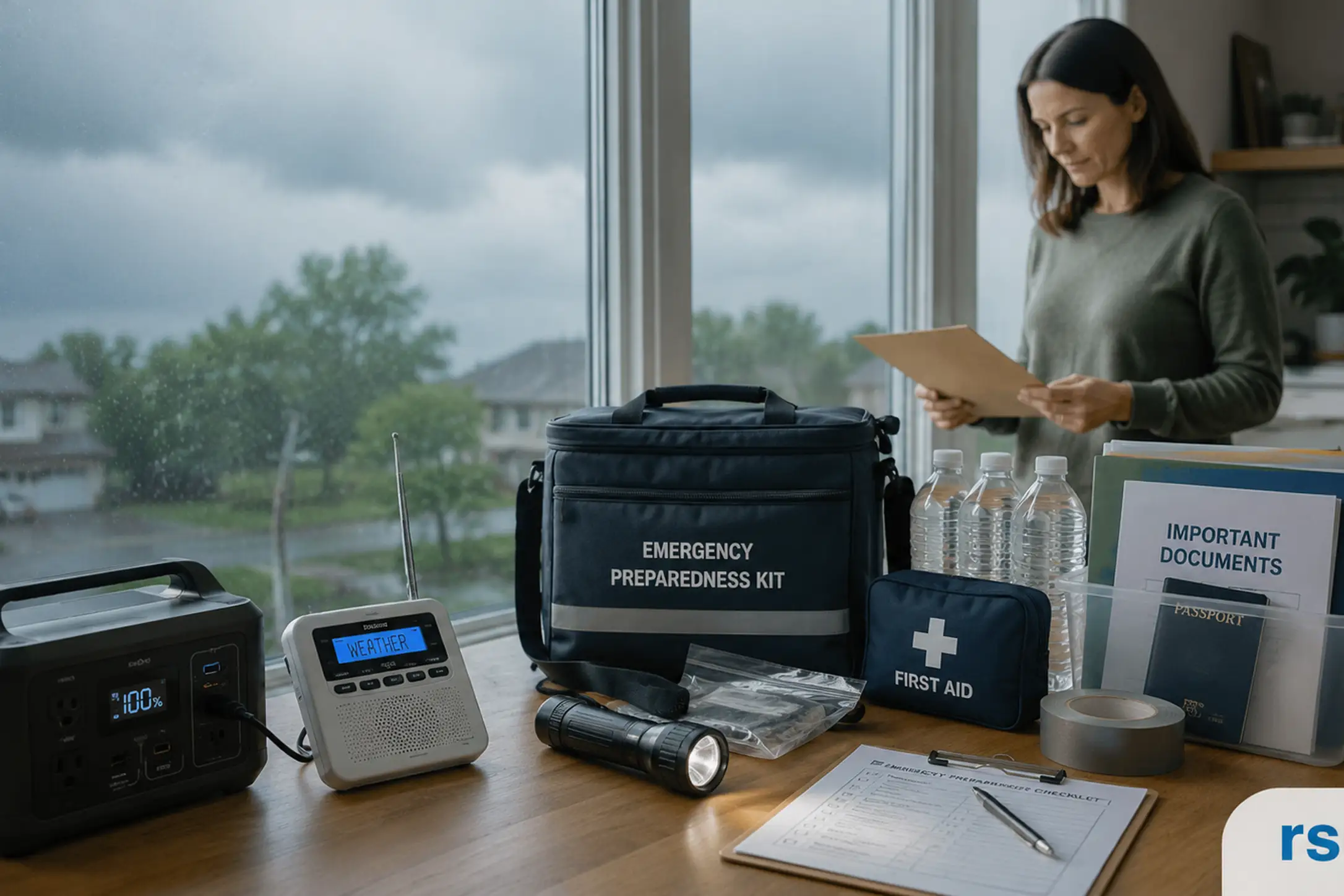
Organizational recovery
A business and organizational guide to current provincial assistance categories, documentation and continuity limitations.
Who this serves
Independent education, resource organization, research translation and pathways to official information.
Government eligibility, insurance coverage, legal requirements, engineering decisions and emergency direction.
Current-event and programme pages must be rechecked when dates, maps or rules change.
Resource design
Size, ownership, income and activity rules can control eligibility.
DRAO is not a general business-interruption insurance programme.
Keep records of essential assets, emergency costs and insurance decisions.
Restoring safe essential operations takes priority over upgrades or expansion.
Purpose
The official Ontario guidelines define small owner-operated business, farm and not-for-profit eligibility. An organization should not assume that being locally owned or community-serving is enough; current financial, ownership and operational criteria apply.
Evidence and context
Document essential equipment, inventory, premises, utilities, records, access and temporary operating arrangements. Separate physical recovery costs from lost revenue and longer-term business impacts, which may need insurance, lending or other support.
Responsible use
Use written scopes, invoices and proof of payment. Avoid related-party or cash arrangements that cannot be substantiated. Preserve pre-event records to establish ownership, condition and normal operations, and keep public-assistance records separate from insurance and tax files.
Use sequence
Confirm activation and applicant category.
Notify insurer and protect essential records.
Document physical damage and emergency expenses.
Plan safe minimum operations and continuity.
Apply through Ontario with complete evidence.
Avoid these mistakes
Related pathways
Official and institutional references
RSM explains and organizes information. Current government, municipal, insurance, research and programme sources remain controlling within their scope.
Frequently asked questions
The programme is not a general business-interruption policy; review the current eligible-cost rules.
The official small owner-operated business definition controls.
The programme has a specific farm category and evidence requirements.
Document work and expenses carefully, but volunteer time may not be reimbursable; confirm current rules.
Put knowledge into action
Use RSM to understand the field, then confirm the current authority and qualified role for the decision in front of you.
Published: July 19, 2026 Last reviewed: July 19, 2026
RSM is an independent educational platform. It does not administer DRAO, determine insurance coverage, guarantee funding or replace emergency, municipal, legal, engineering or professional advice.
Next steps
Continue by resource type, location or the responsibility you hold.